Why mastering still matters after a good mix
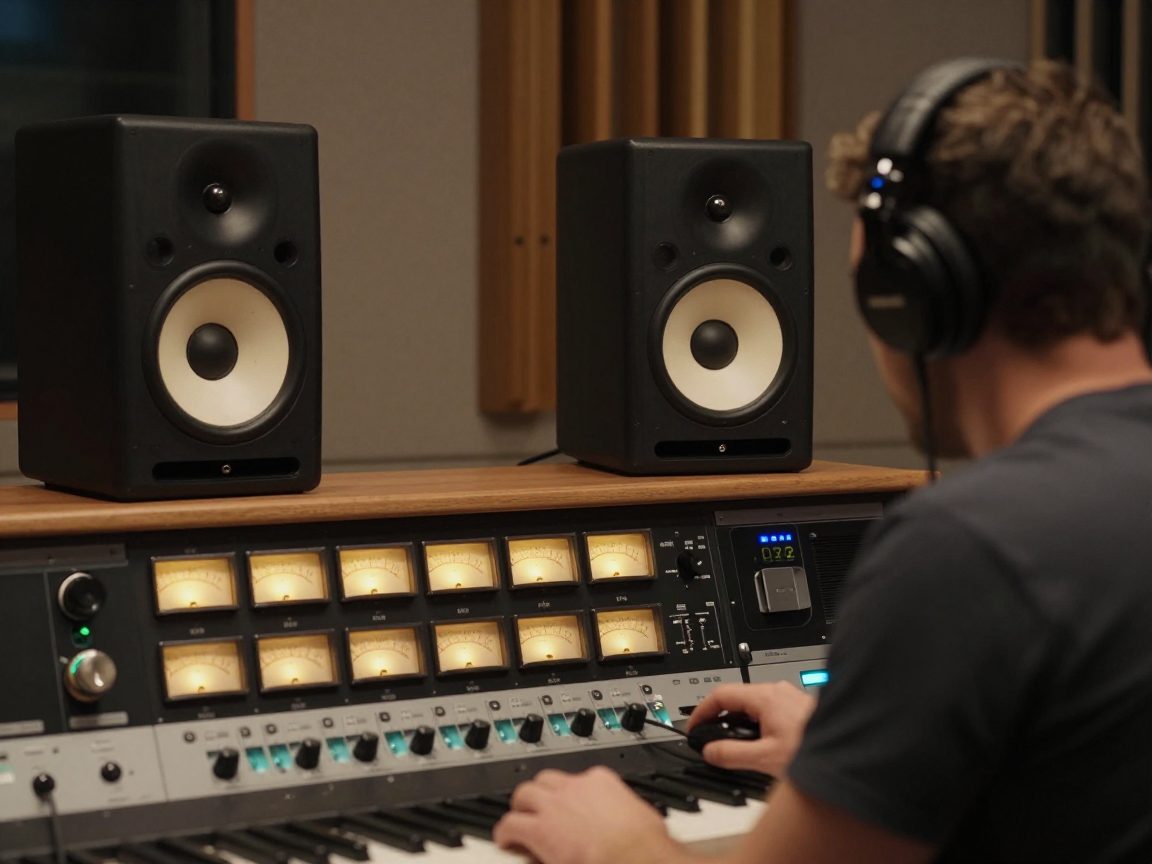
Mixing balances parts; mastering prepares the whole for release — sequence, final EQ, dynamics and loudness on a calibrated chain. Without it, the same song can feel quieter or harsher next to a reference on Spotify because normalisation reacts differently.
We master from your approved stereo mix. €78 per WAV; up to six tracks on an EP can use €240. Delivery prep from mix: export stems for mixing.
Loudness: LUFS and true peak
Services measure integrated loudness (LUFS) and true peak. Pushing hotter does not stay louder on Spotify — the player turns it down. Too quiet and the service may boost, exposing headroom gaps.
We aim at common streaming targets with true-peak margin (often below −1 dBTP) so lossy encoders avoid clip. Targets depend on genre and references; jazz and hard techno do not share one number.
Dynamic masters with intentional quiet sections may read lower on integrated meters; we discuss whether that fits your release before you upload to a distributor.
What to send before mastering
Send stereo mix WAV 24-bit at project rate (48 kHz if you may sync video). Avoid mix-bus limiting that flattens dynamics unless that is intentional — say so. Leave a dB or two of peak headroom if unsure.
Include up to two reference tracks and note vinyl or broadcast needs for separate masters or explicit compromises. Vocals often come from vocal recording; bands from band sessions.
EP and album sequencing
Multi-song projects need relative level and spacing. €240 covers up to six tracks in one batch; larger releases via quote. 2 revision rounds included, then mastering rates.
You choose order and fades; we flag outros that feel abrupt for gapless streaming.
Delivery formats
Default is PCM WAV for your aggregator (DistroKid, iMusician, etc.). DDP only by separate agreement for CD. MP3/AAC for preview only on request, not as source masters.
Keep your own WAV backup; we archive 24 months internally.
Name files with artist, title and version (e.g. Artist_Title_Master_v2.wav) so your distributor upload stays unambiguous months later, even if you change aggregators.
Metadata and rights (brief)
ISRCs come from your distributor; we embed only if you supply a list. Credits belong in your release plan. Company details: Magyaranzo B.V., KvK 77962751, VAT NL875024166B01 — see legal notice.
Samples and covers remain your responsibility; see disclaimer and terms.
Listening before you upload
Check on headphones, car speakers and one mediocre Bluetooth pair — not to optimise every device, but to catch obvious issues. Level-match against your reference instead of cranking volume.
Send timestamps for doubtful sections; we adjust within revision rounds, then you upload.
Leave a day between final approval and distributor upload if you can — fresh ears catch clicks or fade errors you missed the night before.
When to go back to mix or tracking
If the mix lacks headroom, returning to mixing beats mastering fixes. Book another band session only when arrangement needs it — not when loudness alone was the problem.
Workflow questions: FAQ or 020 737 0418 during Mon–Fri 10–20, Sat 11–17.
Summary
- 24-bit stereo mix WAV without heavy limiting.
- References plus target (streaming/vinyl/broadcast).
- €78 per song, €240 for EP batches.
- 2 revision rounds included.
- Keep your masters; our archive 24 months.
Start at contact — we usually reply within 1 business day.